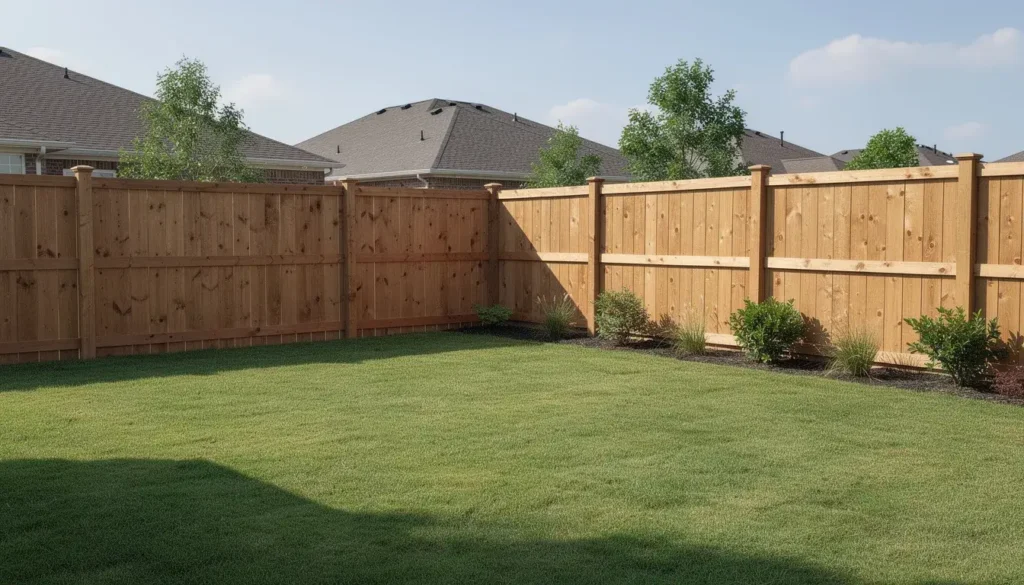
Welcome to our comprehensive guide on building fences in Wellington! Whether you’re a homeowner planning a new timber fence or updating an existing boundary fence, understanding the consent requirements is essential. This guide will walk you through everything you need to know about when you need consent, how to comply with local rules, and how to maintain good neighbourly relations throughout your fencing project. Let’s get started with the basics of consent for fence building in Wellington.
Building a fence in Wellington might seem straightforward, but the rules around consent can catch homeowners off guard. Whether you’re planning a simple timber fence along your rear boundary or a privacy screen in your back yard, understanding what approvals you need before starting building work will save you time, money, and potential disputes with both your council and neighbours.
Table of Contents
Key Takeaways
- Most standard fences up to 2.5 metres high do not require building consent in Wellington, but some may still need resource consent depending on height and location
- Any pool fence or barrier around a residential swimming pool always requires building consent, regardless of height
- Fences over 2.0 metres near a boundary can trigger Wellington City Council district plan rules, meaning you may need resource consent in addition to (or instead of) building consent
- Boundary fences must comply with the Fencing Act 1978, and neighbours usually pay half the cost of an “adequate” fence—get any agreement in writing before starting work
- Rules can change, so always check Wellington City Council’s current guidance or speak to the council before you build
Do I Need Consent to Build a Fence in Wellington?
The short answer: building consent is generally not required for fences up to 2.5 metres high, but height, location, and pool safety rules can still mean consent is needed.
There are two different types of consent to understand:
| Consent Type | What It Covers | When It Applies |
|---|---|---|
| Building consent | Structural safety and Building Code compliance | Fences over 2.5m, pool barriers, fences supporting other structures |
| Resource consent | Environmental and neighbourhood effects under the district plan | Fences exceeding local height limits, affecting heritage areas, or impacting sightlines |
Here are the key figures to remember:
- 2.5 metres: The building consent threshold under the Building Act
- 2.0 metres: The height that often triggers resource consent requirements in Wellington residential areas
- 1.8 metres: Minimum height required for pool fence barriers on the pool side
Wellington City Council expects owners to check both building and planning rules before starting any fence work, even if they believe an exemption applies. The process is straightforward when you know what to look for, and a quick check with your local council can confirm exactly what your project needs.
When You Need Building Consent for a Fence in Wellington
Building consent is needed whenever fence work falls outside the Building Act 2004 Schedule 1 exemptions. This ensures the structure meets the building code for safety and durability.
In Wellington, building consent is required for:
- Any fence or free-standing wall over 2.5 metres high (measured from the lowest ground level on either side)
- Any fence, gate, or barrier that restricts access to a residential swimming pool
- Any fence that is part of, or supports, another structure (for example, retaining walls or decks)
Site hoardings or barriers over 2.5 metres around a construction site also need building consent, even if they are temporary. This applies whether you’re protecting the public during a major renovation or setting up barriers for a commercial project.
Complex engineered fence designs deserve extra attention. Heavy masonry walls, precast concrete panels near public areas, or fences designed to stop concert goers from accessing a venue may need building consent even if they’re close to 2.5 metres. The concert organiser proposes these barriers for public safety, but the structural requirements still apply.
You must apply for and receive building consent from Wellington City Council before starting any of these types of fence work. Starting without approval can lead to enforcement action and costly retrofits.
When You Don’t Need Building Consent in Wellington
Many straightforward residential fences are exempt building work, provided they stay within the height and safety limits set out in Schedule 1 of the Building Act.
Fences, walls, and hoardings up to and including 2.5 metres high generally do not need a building consent, as long as they are not pool barriers and do not support other structures.
Typical exempt examples include:
- Standard timber fence along side or rear boundary up to 1.8–2.0 metres
- Low front fences under 1.2 metres
- Basic garden walls and retaining walls under certain heights
- Lightweight privacy screens under 2.5 metres
- New timber fence replacing an existing fence at similar height
- Mesh fencing for tennis court enclosures under 2.5 metres
The key exception is critical: any fence or gate restricting access to a residential pool area is not covered by the exemption and always requires building consent.
Even when building consent is not needed, you still must comply with the building code (for example, fence stability and wind resistance) and any relevant Wellington district plan rules. The exemption relates to the consent process, not to the construction standards themselves.
Resource Consent and District Plan Rules in Wellington
Resource consent is separate from building consent and relates to environmental and neighbourhood effects under Wellington’s district plan. Even if your fence doesn’t need building consent, you might still need resource consent.
A fence can need resource consent in Wellington when:
- It exceeds certain height limits along a boundary (for example, more than 2.0 metres high on or near a neighbouring boundary in specific residential zones)
- It affects street character, sightlines at driveways, or heritage areas
- It is part of a development that already requires resource consent for other reasons
- It creates excessive shading on a neighbour’s property
In practice, a fence project might need:
| Scenario | Consent Required |
|---|---|
| 1.8m timber fence on rear boundary | Usually none |
| 2.4m fence on side boundary | Possibly resource consent only |
| 3.0m fence near pool | Both building and resource consent |
| 1.5m fence in heritage zone with non-traditional materials | Resource consent |
Check Wellington City Council’s current district plan rules or speak to council planning staff before committing to tall or highly visible fences, especially near roads or in coastal and hillside areas where visibility and shading concerns are heightened.
Resource consent must usually be obtained before or at the same time as building consent. Importantly, building consent does not override district plan non-compliance—you need to satisfy both sets of rules.

Boundary Fences, the Fencing Act 1978, and Your Neighbour
Boundary fences in Wellington must comply with the nationwide Fencing Act 1978, not just local council rules. This act governs the relationship between property owners when it comes to shared fences.
Under the Fencing Act 1978:
- Neighbours usually share the reasonable cost of an “adequate” boundary fence
- “Adequate” depends on the neighbourhood and property use (for example, a typical 1.8m timber fence in suburban Wellington)
- Any upgrade beyond an adequate standard (such as premium materials, much greater height, or decorative features) normally must be agreed before costs are shared
- Either party can serve a fencing notice requiring the other to contribute
To ensure compliance and avoid disputes, you should:
- Speak to your neighbour early about fence style, fence height, and cost
- Confirm the legal boundary line (ideally via a survey if there is any doubt about the neighbouring boundary)
- Put any mutual agreement in writing, including who pays what and when
- Keep copies of all correspondence
If neighbours cannot agree on a boundary fence, either party can follow the Fencing Act notice process. This involves serving written notice (the neighbour has 21 days to respond or serve a cross notice objecting). As a last resort, you can apply to the District Court for a decision.
Even where the Fencing Act allows a fence, Wellington City Council rules on height and appearance still apply. You must meet both sets of obligations—your neighbour’s agreement doesn’t override council requirements, and council approval doesn’t remove your Fencing Act responsibilities.
Special Situations: Pool Fences, Front Fences, and Construction Hoardings
Some types of fences in Wellington have extra rules because of safety or streetscape impacts. Getting these wrong can result in serious consequences.
Pool Fences
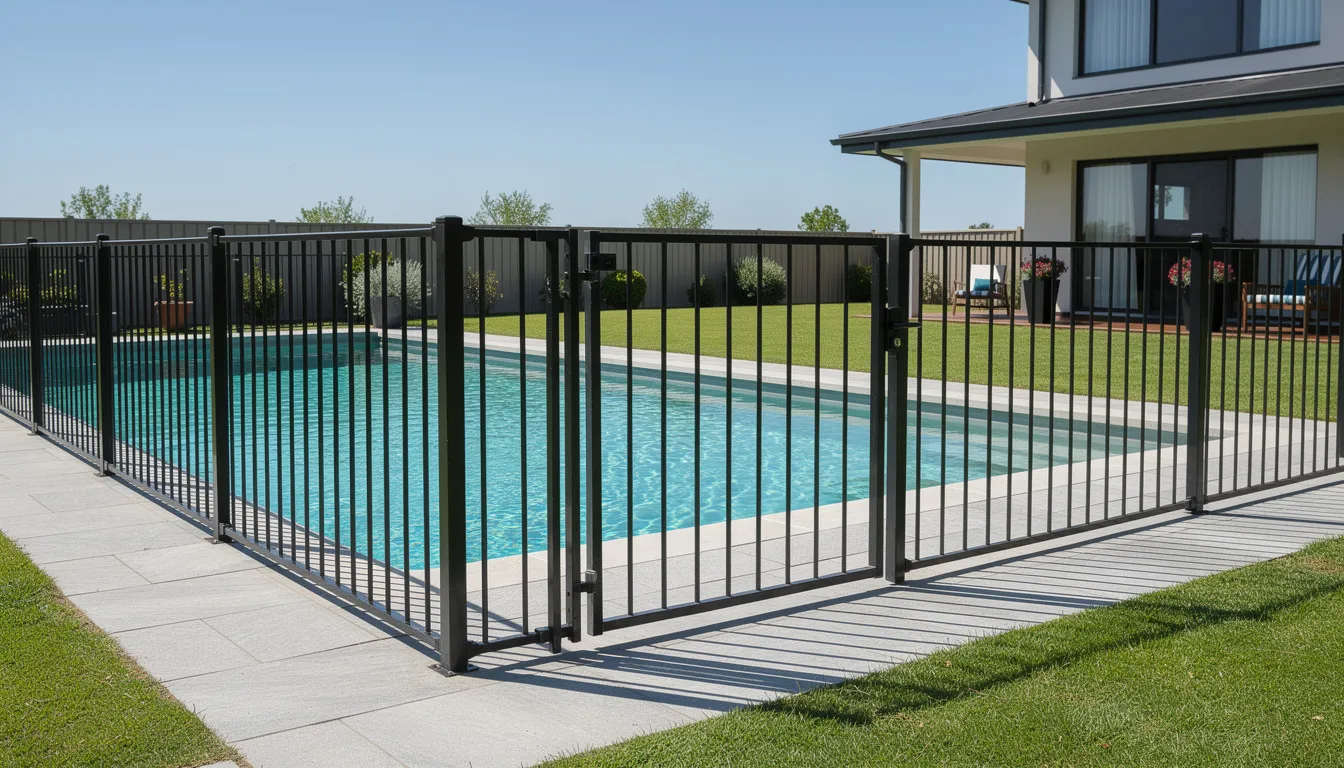
All barriers around residential pools must comply with the Building (Pools) Amendment Act and Building Code Clause F9 to ensure public safety. The rules exist to prevent drowning, particularly of young children.
Pool fence requirements include:
- Minimum 1.8 metres high on the pool side
- Non-climbable design (no horizontal rails that act as a ladder)
- Self-closing and self-latching gates that open away from the pool
- Regular three yearly inspections by council to ensure ongoing compliance
- Building consent is always required, regardless of overall height
Wellington City Council conducts inspections of residential pools to ensure compliance. Failing an inspection can result in notices to fix or restrict access to the pool until issues are resolved.
Front and Street-Facing Fences
High or solid front fences over about 1.5–2.0 metres can be restricted in some Wellington streets. The rules aim to maintain neighbourhood character and ensure driver visibility.
Consider these factors for front fences:
- Covenants or special character/heritage provisions may control materials, colours, and height
- Driveway visibility requirements can limit how solid a front fence can be near the road
- Some zones have stricter limits than others
- Properties in heritage areas may need resource consent for changes to street-facing walls
Check your property title and zoning, and talk to council before constructing a tall front fence. A fence that affects sightlines at road corners or intersections will face additional scrutiny.
Construction Hoardings and Temporary Fences
Temporary hoardings protecting the public around building sites are permitted, but those over 2.5 metres need building consent.
Requirements for construction hoardings:
- Must be structurally sound and safe
- Cannot create traffic or pedestrian hazards
- Should be placed appropriately for the site conditions
- May need traffic management plans in busy areas
For long-term or complex hoardings in Wellington’s CBD, confirm requirements with council. Narrow inner-city streets and hillside properties where wind loading is significant deserve particular attention.
Good Practice Before You Build a Fence in Wellington
Careful planning can prevent disputes, extra costs, and enforcement action by Wellington City Council. Industry insights suggest that 20-30% of fence projects in urban areas encounter consent hurdles, often due to overlooked heritage overlays or corner-site visibility rules.
Recommended steps for homeowners:
- Confirm property boundaries using existing survey plans or hire a licensed surveyor. Building on your neighbour’s property by mistake creates serious problems.
- Check consent requirements via Wellington City Council’s website or call the council. Verify whether building consent, resource consent, or both are needed for your project.
- Consider local conditions—Wellington’s coastal and hill suburbs experience significant wind. Choose appropriate materials and foundations that will comply with building code stability requirements.
- Discuss plans with neighbours early. Document any neighbour’s agreement in writing before ordering materials or booking contractors.
- Obtain all required consents before construction begins. Don’t assume you can get approval retrospectively.
Keep copies of consent documents, approved plans, and neighbour agreements for future reference or if the property is sold. A code compliance certificate may be required for building work that needed consent.
Using a competent designer or fencing contractor familiar with Wellington rules can reduce the risk of non-compliance, especially for taller or engineered fences. They can help you create plans that council will approve and that will perform well in Wellington’s conditions.
Failing to get the right consent can lead to council enforcement, extra costs, or being required to alter or remove the fence. In serious cases, fines under the Resource Management Act can reach up to $300,000 for unpermitted work.

Frequently Asked Questions
Do I need consent to replace an existing fence with a similar one in Wellington?
Like-for-like replacement of an existing fence at the same height and location is often covered by the same exemptions—no building consent is needed under 2.5 metres. However, the new fence must still comply with current building code and district plan rules, which may have changed since the original was built.
Confirm with Wellington City Council if the replacement will increase height, change materials significantly, or affect a pool barrier, as this can trigger the need for building and/or resource consent. Cost-sharing with neighbours for replacement is governed by the Fencing Act 1978 (not council), but council rules still limit what can be built.
Can I build a fence right on the boundary without my neighbour’s permission?
Physically building on the legal boundary line usually affects both properties, so the safer approach is to get the neighbour’s written agreement first. The Fencing Act 1978 sets out a formal notice process if neighbours do not respond or disagree, but legal advice may be sensible before proceeding.
Even if the neighbour agrees, the fence must still comply with Wellington’s height and planning rules. Council can require changes if the fence doesn’t meet district plan requirements, regardless of what you and your neighbour have agreed.
How high can my fence be at the front of my Wellington property?
Many Wellington residential areas allow front fences up to around 1.5–2.0 metres before resource consent may be required, but the exact limit depends on your specific zoning and location. Some streets have lower limits to preserve street character.
Check your specific site rules in the Wellington district plan, especially if your house is in a heritage, character, or coastal environment area. Driveway visibility and traffic safety can also limit how solid or high a front fence can be near the road or footpath.
What happens if I build a fence without the consent I should have obtained?
Wellington City Council can issue notices to fix, require retrospective consent applications, or in serious cases require alteration or removal of the non-compliant structure. This can be expensive and stressful.
Retrospective consent is not guaranteed and may be more expensive than applying correctly before work starts. If you’ve already built without consent, contact council promptly to discuss options and minimise enforcement risk. Early engagement typically leads to better outcomes than waiting for council to discover the issue.
Are there different rules for retaining walls that also act as fences?
Retaining walls themselves can require building consent in Wellington depending on height and loading. Adding a fence on top changes the total effective height and complicates the assessment.
Where a fence is built on a retaining wall, the combined structure can easily exceed the 2.5 metre exemption limit, triggering building consent and sometimes resource consent. The overall height from the lower ground level to the top of the fence is what matters.
Seek professional design advice and check with Wellington City Council before building any fence on top of a retaining wall, especially near boundaries or shared driveways. Materials like solid fuel heater installations, deck structures, and extending roof lines near fences may also affect what consents are needed. Getting it right the first time is far cheaper than fixing problems later.
Conclusion
Building a fence in Wellington involves navigating both building and resource consent requirements, as well as respecting neighbour relations under the Fencing Act 1978. While many fences up to 2.5 metres do not require building consent, exceptions such as pool fences and fences exceeding height limits mean you should always check with your local council before starting work. Early communication with neighbours, understanding your property boundaries, and complying with district plan rules can help prevent costly disputes and delays. By following the correct consent processes and building to code, you can ensure your new fence is safe, compliant, and a positive addition to your property.